


7 Ways to Experience Authentic Local Life in Vietnam
Vietnam is more than its famous landmarks, beautiful beaches, and breathtaking landscapes. Beyond the usual sightseeing routes, the country offers countless opportunities to discover its culture through everyday activities, traditional cuisine, rural communities, and meaningful encounters with local people.
For travelers seeking a deeper connection with their destination, experiencing local life is one of the most rewarding ways to explore Vietnam. From cycling through peaceful villages to sharing a home-cooked meal with a Vietnamese family, these experiences reveal a different side of the country.
Here are seven ways to discover the authentic charm of Vietnam.
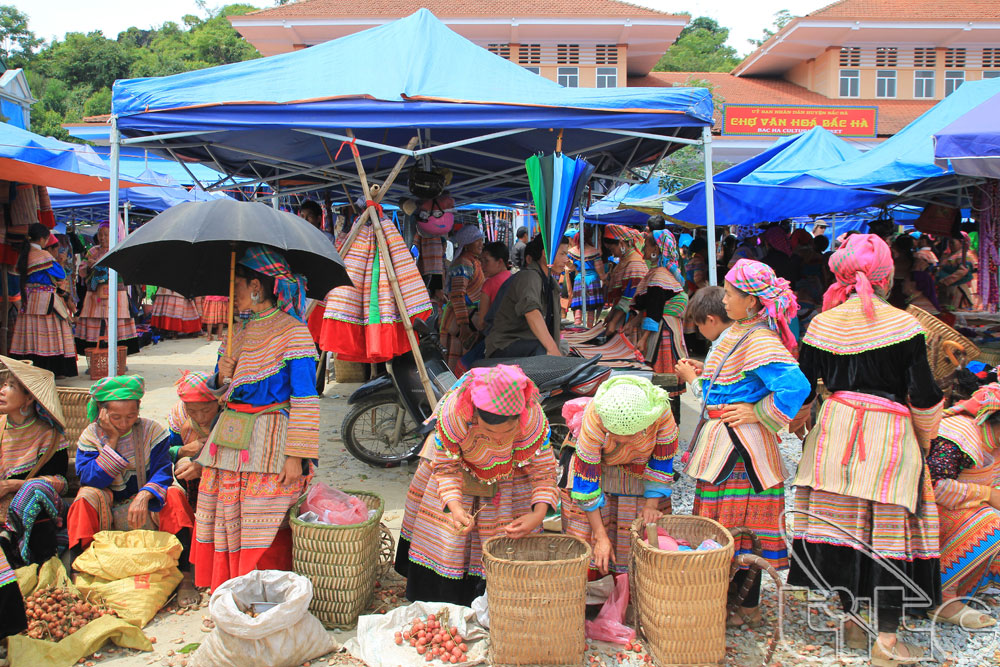
1. Explore Local Markets and Taste Vietnamese Street Food
One of the easiest ways to understand Vietnamese culture is through its food. Local markets and street food stalls are important parts of daily life, bringing together vendors, families, workers, and visitors from the neighborhood.
In Hanoi, wander through the Old Quarter to discover traditional food stalls serving pho, bun cha, banh cuon, and the famous Vietnamese egg coffee. In Ho Chi Minh City, explore bustling neighborhood markets and sample southern specialties, fresh tropical fruits, and traditional snacks.
Visiting a local market also offers a glimpse into Vietnamese culinary traditions. You can discover unfamiliar ingredients, observe how vendors prepare their products, and learn how fresh produce is selected for everyday meals.
Travel tip: Visit a market in the early morning, when many locals shop for fresh ingredients and breakfast. Consider joining a local food tour to learn more about the stories behind the dishes.
(Source: Vietnamtourism)
2. Cycle Through the Countryside and Traditional Villages
While Vietnam's major cities are full of energy, the countryside offers a slower pace of life and a chance to appreciate the country's rural landscapes.
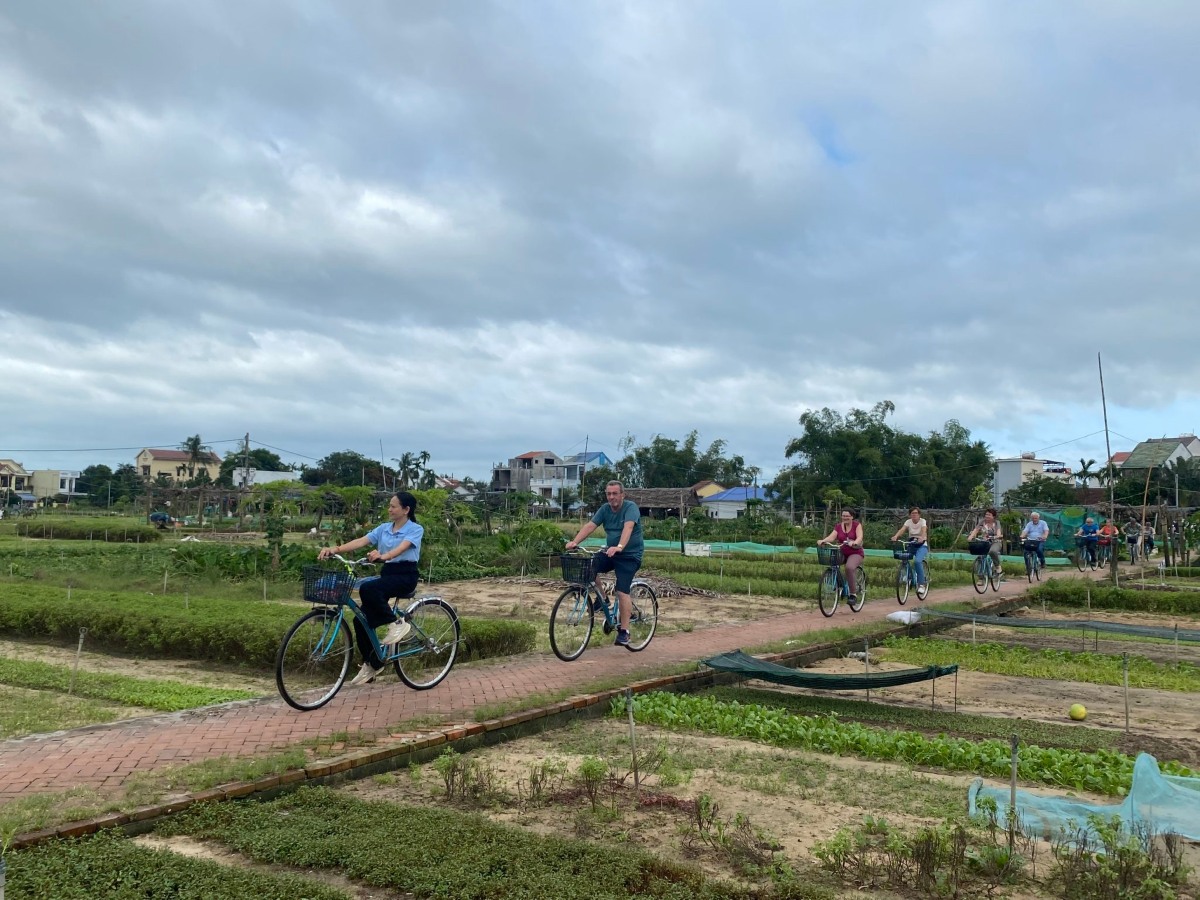
Cycling through villages allows travelers to see rice paddies, vegetable gardens, traditional houses, and small family businesses along quiet country roads. You may encounter farmers working in the fields, residents transporting fresh produce, or children cycling home from school.
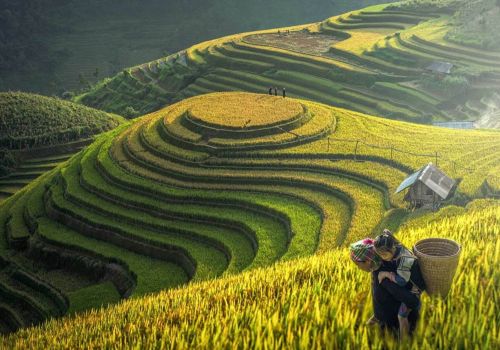
Ninh Binh is an excellent destination for cycling, with scenic routes winding between limestone mountains and rice fields. In Mai Chau and Pu Luong, travelers can explore peaceful valleys and traditional villages surrounded by lush greenery.
Hoi An also offers enjoyable cycling routes through the countryside, including the vegetable-growing community of Tra Que.
Travel tip: Choose a guided cycling excursion if you want to learn more about local farming, village traditions, and everyday life along the route.
(Source: Du Lich Da Nang)
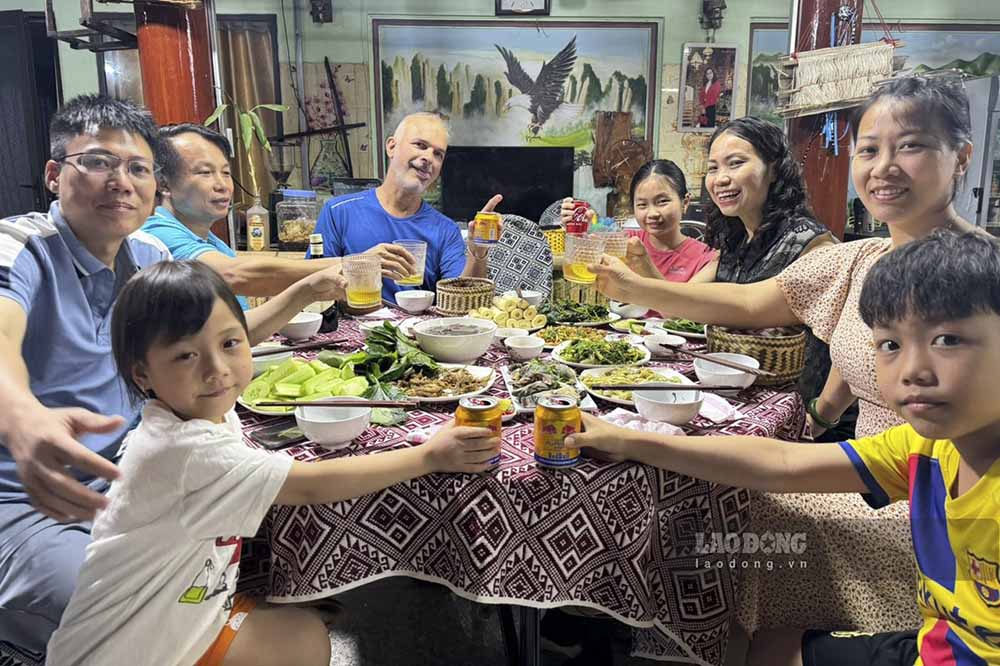
3. Stay in a Local Homestay and Share a Home-Cooked Meal
Accommodation can be an important part of a cultural journey. Instead of staying exclusively in large hotels, consider spending a night or two in a locally operated homestay.
Homestays in Vietnam vary considerably, from traditional stilt houses in northern mountain communities to family-run guesthouses surrounded by orchards and canals in the Mekong Delta.
Depending on the accommodation and activities offered, you may have the opportunity to enjoy a home-cooked meal, learn about regional ingredients, or talk with your hosts about their daily routines and traditions.
In Mai Chau, travelers can discover the culture of the Thai ethnic communities and enjoy the peaceful atmosphere of the surrounding valley. In the Mekong Delta, a homestay provides a different perspective on life along the waterways and agricultural countryside.
The experience is not about pretending to live exactly as local people do. It is about spending time in a community, listening to its stories, and learning through genuine hospitality.
Travel tip: Check the accommodation facilities and level of comfort before booking, as homestays range from simple family homes to well-equipped boutique properties.
(Source: Lao Dong Newspaper)
4. Learn Vietnamese Cooking from Local People
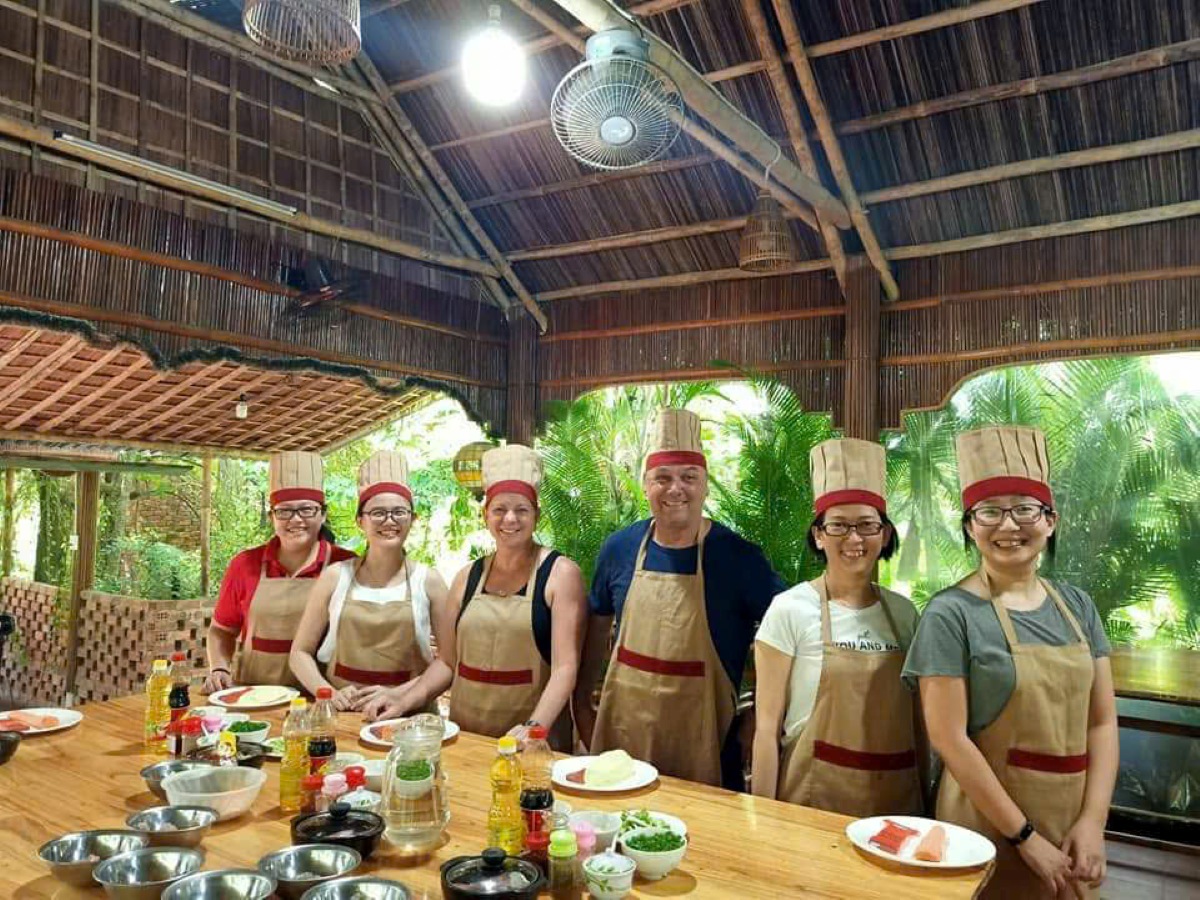
Vietnamese cuisine reflects the country's geography, climate, history, and regional traditions. Taking a cooking class is a hands-on way to understand this culinary diversity.
Many cooking experiences begin with a visit to a local market, where participants learn about fresh herbs, vegetables, spices, and other ingredients. The class then introduces traditional preparation techniques before everyone sits down to enjoy the dishes they have prepared.
In Hanoi, you might learn to prepare bun cha or fresh spring rolls. In Hoi An, cooking classes often feature central Vietnamese specialties, including cao lau and banh xeo. In southern Vietnam, the cuisine frequently highlights fresh herbs, tropical produce, and ingredients from the Mekong Delta.
Beyond learning recipes, a cooking class can explain how food brings families together and why regional dishes differ across the country.
Travel tip: If you have dietary restrictions or food allergies, inform the cooking class provider in advance so that suitable arrangements can be discussed.
(Source: Venus Travel)
5. Discover Traditional Craft Villages and Meet Local Artisans
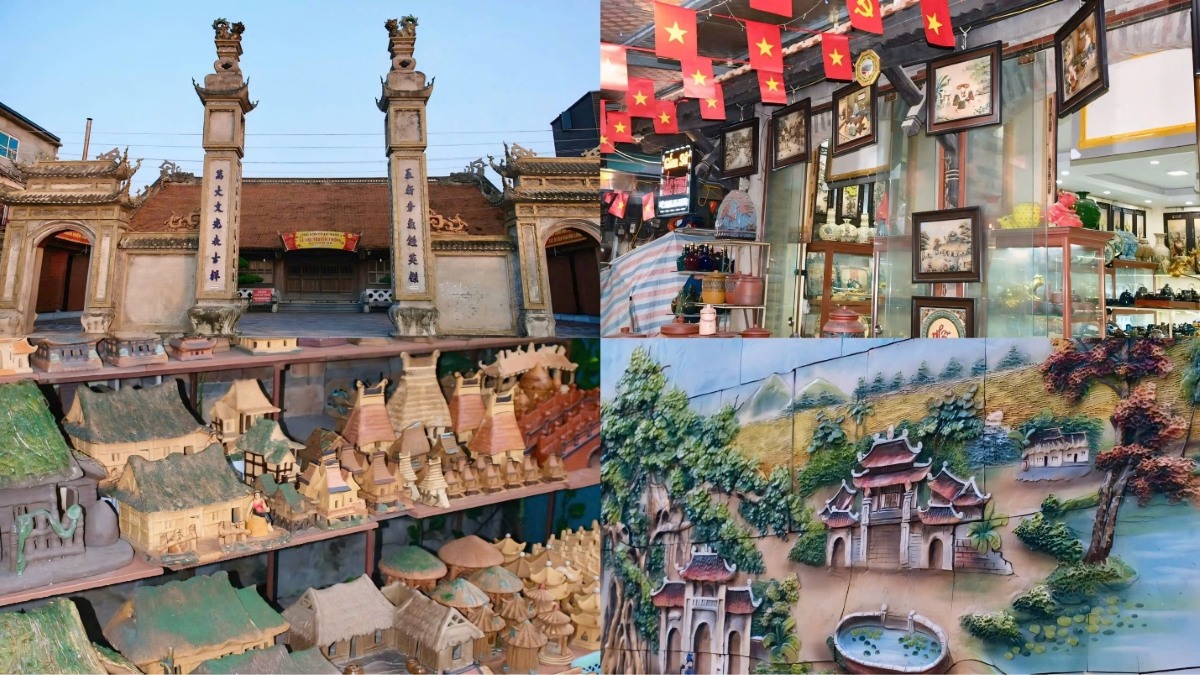
Vietnam has a rich heritage of traditional handicrafts, with communities that have developed specialized skills over generations.
Visiting a craft village offers an opportunity to understand how traditional products are made and how artisans preserve their knowledge while adapting to modern life.
Near Hanoi, Bat Trang is well known for its ceramics. Around Hoi An, visitors can explore traditional craft activities and learn about local workshops. In Hue, traditional handicrafts and incense-making offer further insight into the region's cultural heritage.
Depending on the village and workshop, travelers may observe artisans at work, hear the history of their craft, or participate in a hands-on activity.
These visits can also support local livelihoods when travelers purchase locally made products directly from artisans or choose workshops that provide fair compensation to their participants.
Travel tip: Look for small-group visits and workshops that welcome questions, explain the production process, and respect the working environment of local artisans.
(Source: Tuoi Tre Newspaper)
6. Explore the Mekong Delta by Boat and Bicycle
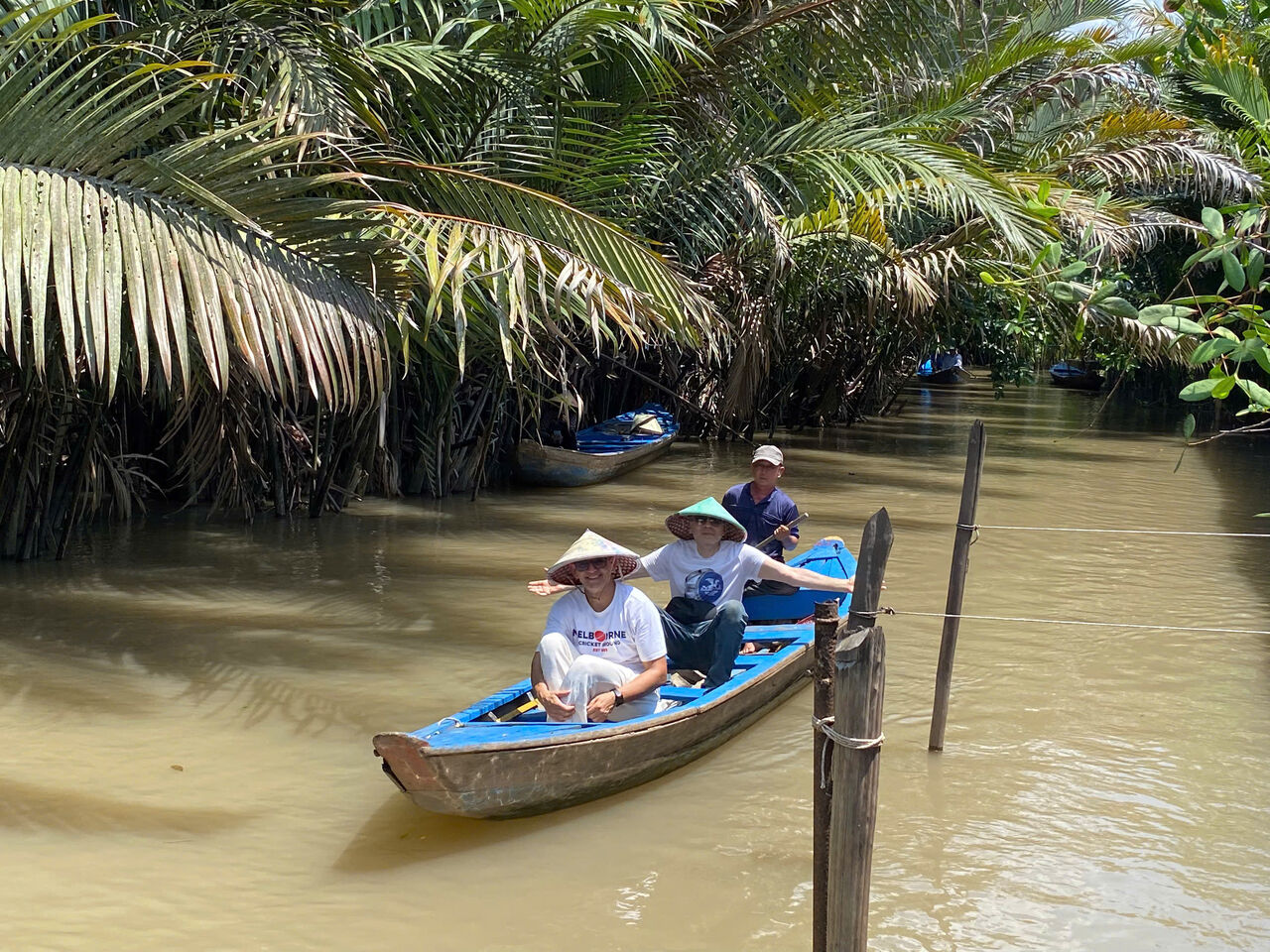
In southern Vietnam, the Mekong Delta offers a distinctive way to experience rural life shaped by rivers, canals, agriculture, and waterways.
Travelers can take a boat trip along small canals, visit fruit orchards, explore villages by bicycle, and discover local food traditions. In Ben Tre, coconut-growing communities and traditional coconut-product workshops provide insight into the region's agricultural economy.
A visit to a local market can reveal the variety of produce grown in the delta, while a stop at a family-run workshop may introduce traditional production methods.
For a more immersive experience, consider staying overnight in the countryside rather than returning to Ho Chi Minh City on the same day. Additional time allows for a more relaxed exploration of village roads, local meals, and the surrounding landscape.
Travel tip: Choose an itinerary that combines different activities rather than spending the entire day on a boat. Cycling, walking, and meeting local producers can offer a broader understanding of the region.
7. Experience Local Traditions and Everyday Cultural Customs
Understanding a destination means looking beyond its architecture and scenery to discover the customs and traditions that shape everyday life.
In Vietnam, travelers can learn about family traditions, ancestor worship, regional festivals, traditional music, local markets, and the cultural significance of food. The details vary between regions and communities, making each destination a different learning experience.
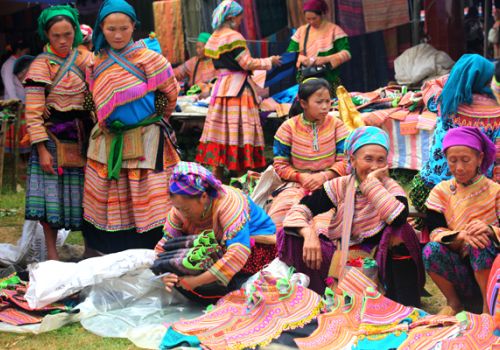
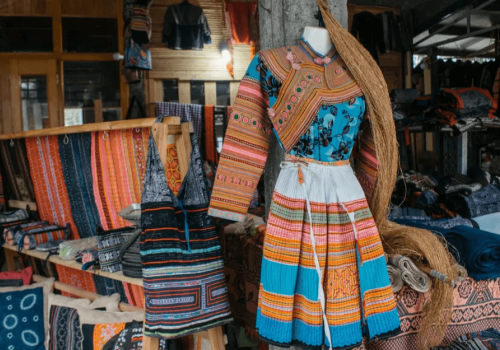
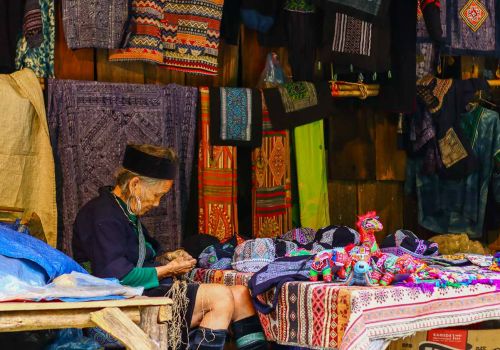
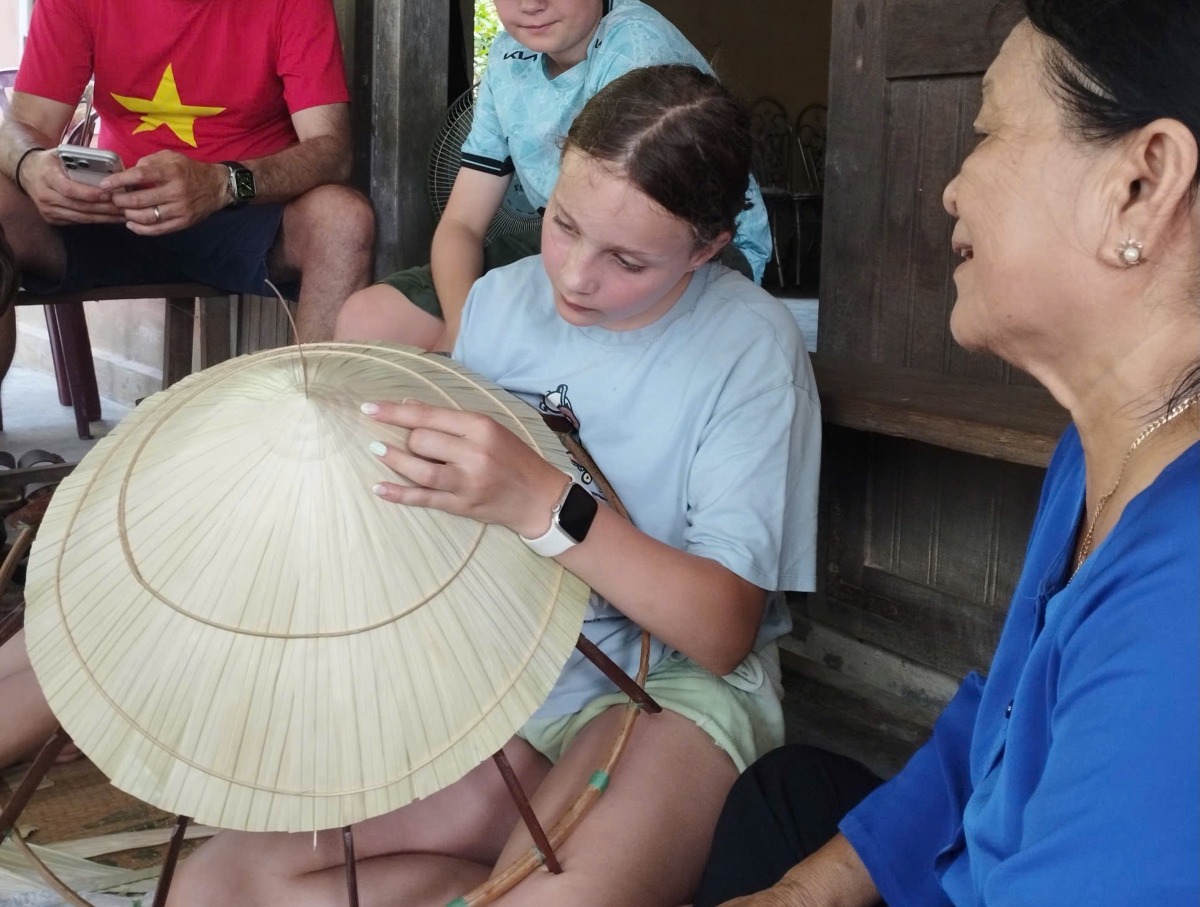
In northern Vietnam, visits to ethnic minority communities may introduce distinctive textiles, traditional houses, and local agricultural practices. In central Vietnam, craft villages and historic communities reveal long-standing cultural traditions. In the south, river-based livelihoods and regional food customs offer another perspective on Vietnamese life.
The best cultural encounters begin with curiosity and respect. Ask questions when appropriate, listen to local explanations, and remember that traditions may differ from one family or community to another.
Travel tip: When visiting a home or religious site, follow your host's guidance, dress appropriately, and ask permission before photographing people or private spaces.
Travel Beyond the Tourist Trail with Asia Pacific Travel
Discovering local life can transform a trip to Vietnam from a series of sightseeing stops into a more meaningful cultural journey.
Whether you prefer cycling through rural villages, exploring traditional markets, learning to cook Vietnamese dishes, or spending time in the Mekong Delta, the right itinerary allows you to experience the country at a comfortable pace while discovering its regional diversity.
At Asia Pacific Travel, we help travelers explore Vietnam through tailor-made itineraries that combine well-known destinations with authentic local experiences. Depending on your interests, travel dates, and preferred level of comfort, your journey can include cultural activities, countryside excursions, local cuisine, and opportunities to connect with the communities you visit.
Ready to discover a different side of Vietnam? Contact Asia Pacific Travel to plan a personalized journey that matches your interests and travel style.
Related Posts